
Article: Are kimono formality levels confusing?

Are kimono formality levels confusing?
Hello, I'm Yukiwa❄.
When you start wearing kimonos, one of the points that often causes hesitation is the fact that "kimonos have ranks."
But don't worry.
If you think of it in terms of the clothes you're used to wearing every day, it's not that difficult.
Kimonos generally have 4 levels of formality
The formality of a kimono can be broadly divided into 4 levels.
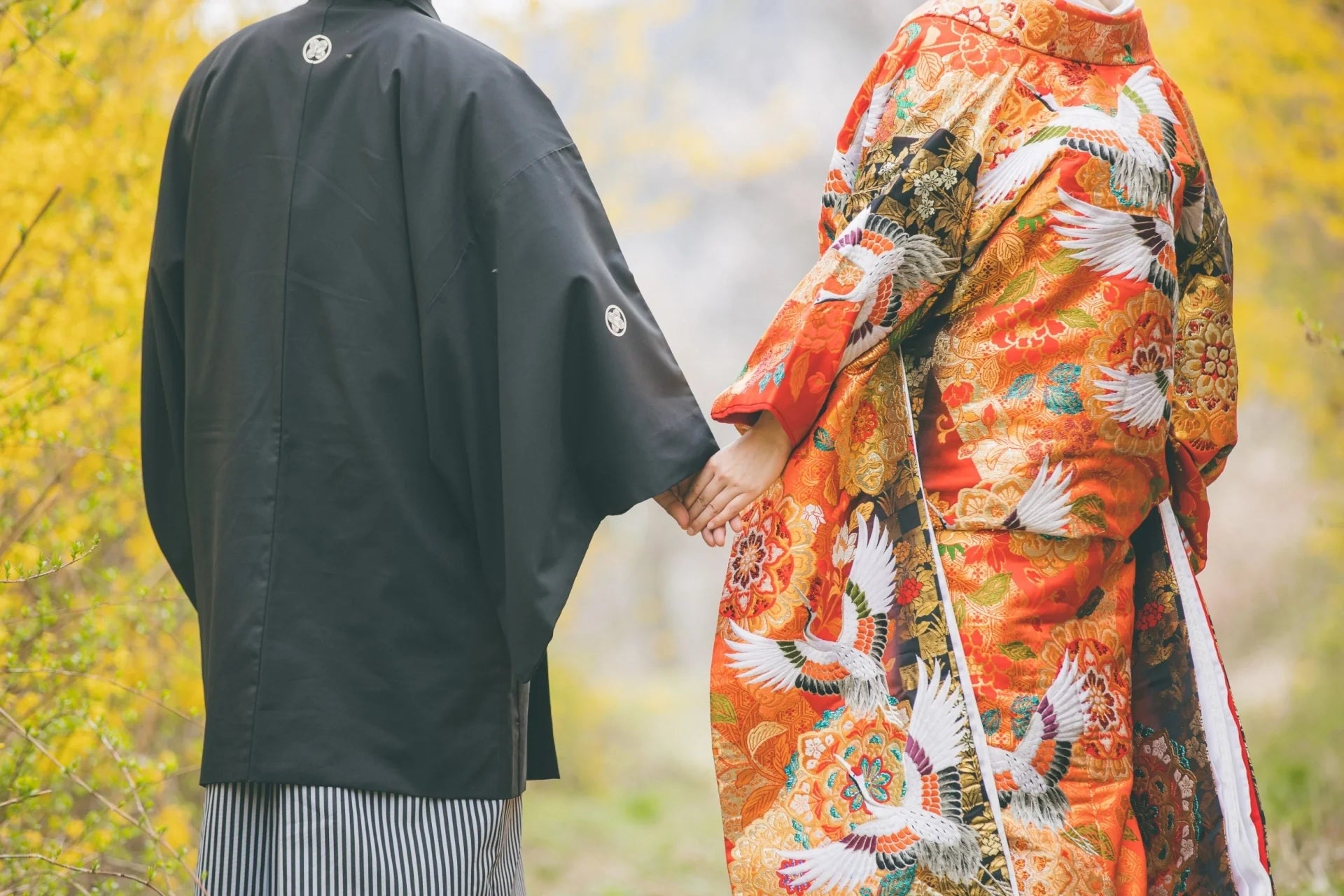
Most Formal (Dai-reiso): Kuro-tomesode, Furisode, Iro-tomesode with five family crests, Mourning dress (Black crested kimono)
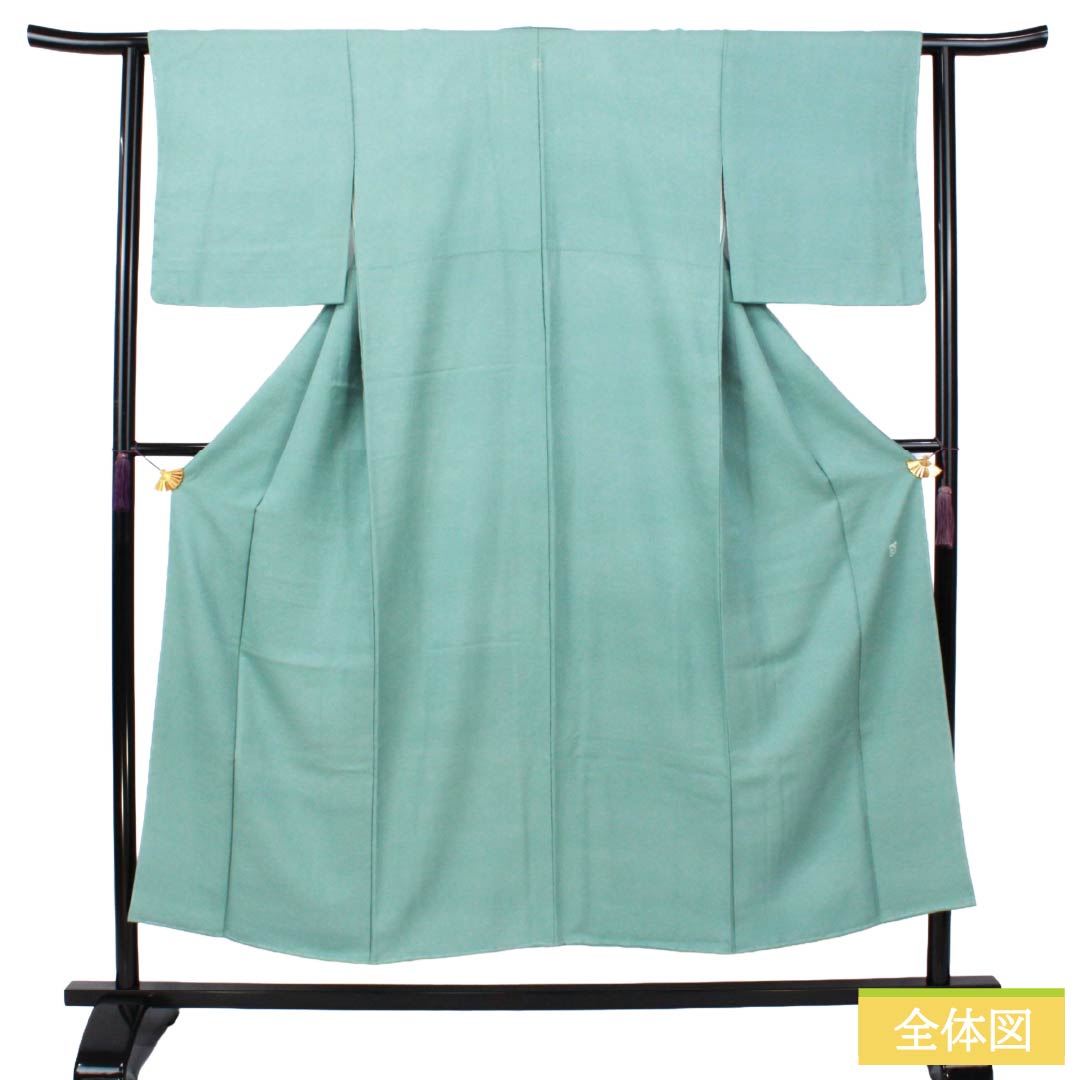
Semi-Formal (Jun-reiso): Homongi, Iro-muji with crests, Iro-tomesode with one family crest
Informal Formal (Ryakureiso): Tsukesage, Edo-komon with crests
Everyday Wear: Komon, Tsumugi (Oshima Tsumugi, Yuki Tsumugi, etc.), Cotton, Yukata
※ The formality of a kimono can vary depending on the number of crests, the pattern, the obi worn with it, and the occasion. Here, we have divided them into 4 broad levels to make it easier to visualize.
Occasions for each kimono rank
As for the occasions to wear them,
Most Formal: Formal ceremonies such as weddings where you attend as a relative of the bride or groom, Coming-of-Age ceremonies, funerals, and imperial decorations.
Semi-Formal: Weddings and receptions as a guest, Shichi-Go-San or shrine visits for newborns, entrance & graduation ceremonies, parties.
Informal Formal: Casual parties, tea gatherings, reunions, theater performances.
Everyday Wear: Outings, shopping, dining out, lessons, festivals.
Whenever I talk about this, I always think, "Parties don't happen that often, do they?" (haha)
After reading this far, are many of you feeling very confused?
Well then, let's translate this into Western clothing!
What if we compare kimono ranks to Western clothing?
Most Formal = Tomesode/Furisode etc. = Wedding dress or tuxedo
Semi-Formal = Homongi etc. = A dress for a wedding guest or a high-quality ceremonial suit
Informal Formal = Tsukesage etc. = A nice dress suitable for a high-end hotel dinner
Everyday Wear = Komon/Tsumugi/Yukata etc. = A blouse with a nice skirt, or a T-shirt and jeans with sneakers
Can you kind of picture it now?
You can't wear an expensive Tsumugi to a wedding?
When you think of it this way, you can understand why it's a no-go to wear an Oshima Tsumugi or Yuki Tsumugi worth millions to a wedding, right?
Tsumugi = Jeans
No matter how high-brand or vintage the jeans are, no one would wear them to a wedding.
At Yukinowa, we also handle Tsumugi, including Oshima Tsumugi and Yuki Tsumugi.
Click here for Tsumugi kimonos
Komon is a casual kimono
Komon = A casual patterned dress
There are many retro and cute Komon kimonos, but a general Komon is considered everyday wear.
It's perfect for a casual lunch with friends or café hopping, but it's too casual for a formal ceremony.
What about Yukata?
Yukata were originally worn during bathing or after getting out of the bath.
Later, they also came to be used as loungewear (pajamas).
They are perfect for summer festivals and fireworks☆
But you wouldn't go to a hotel restaurant in one, right?
There are many hotels that state, "You cannot enter the breakfast venue in loungewear."
Try thinking about kimono formality the same way you choose Western clothes
In a situation where you would choose a certain type of Western outfit, then you know it's probably okay to wear something like this in a kimono.
Please start with that kind of mindset!
Instead of just trying to memorize a single "correct" answer for every occasion, it becomes easier to understand when you first think about where you are going and in what capacity you are attending.
If there is one exception... it might be the world of lessons like tea ceremony or flower arrangement.
I have heard that the atmosphere of the kimono considered acceptable varies slightly depending on your teacher.
In such cases, instead of searching online, please be sure to consult with your senior peers.
Choosing a kimono based on the scene
Once you have a rough idea of kimono formality, let's try choosing based on "where you are going."
▶ Recommended kimonos for weddings and receptions
▶ Recommended kimonos for Coming-of-Age ceremonies
▶ Recommended kimonos for entrance and graduation ceremonies
▶ Recommended kimonos for Shichi-Go-San and shrine visits