
Article: How to determine the formality of a fukuro obi
How to determine the formality of a fukuro obi
Hello, I'm Yukiwa ❄.
If kimono have different levels of formality, then surely obi do as well, right?
Today, I’m covering a topic that often left me wondering "Wait, what?" when I was a kimono beginner:
How to distinguish between formal and semi-formal obi.
*In our shop's obi section, we have categorized "semi-formal" as a combination of "quasi-formal" (jun-reisō) and "informal formal" (ryaku-reisō) from the classifications introduced in our previous blog post.
▶ Click here for more on kimono formality
What is the difference between formal and semi-formal fukuro obi?
The obi you match with tomesode, furisode, or formal kimono
and the obi you match with houmongi, tsukesage, patterned iromuji, or semi-formal kimono—
they both look quite sparkly, don't they?
The key to distinguishing them this time is the "amount of sparkle and the formality of the pattern."
There's that word "formality" again.
Yes, patterns have their own levels of formality, too. It’s quite confusing until you get used to it.
Of course, the amount of sparkle isn't the only thing that determines an obi's formality, but it serves as a helpful guideline for beginners.
Focus on the "amount of sparkle" and "patterns" for formal fukuro obi
Let’s start with the amount of sparkle.
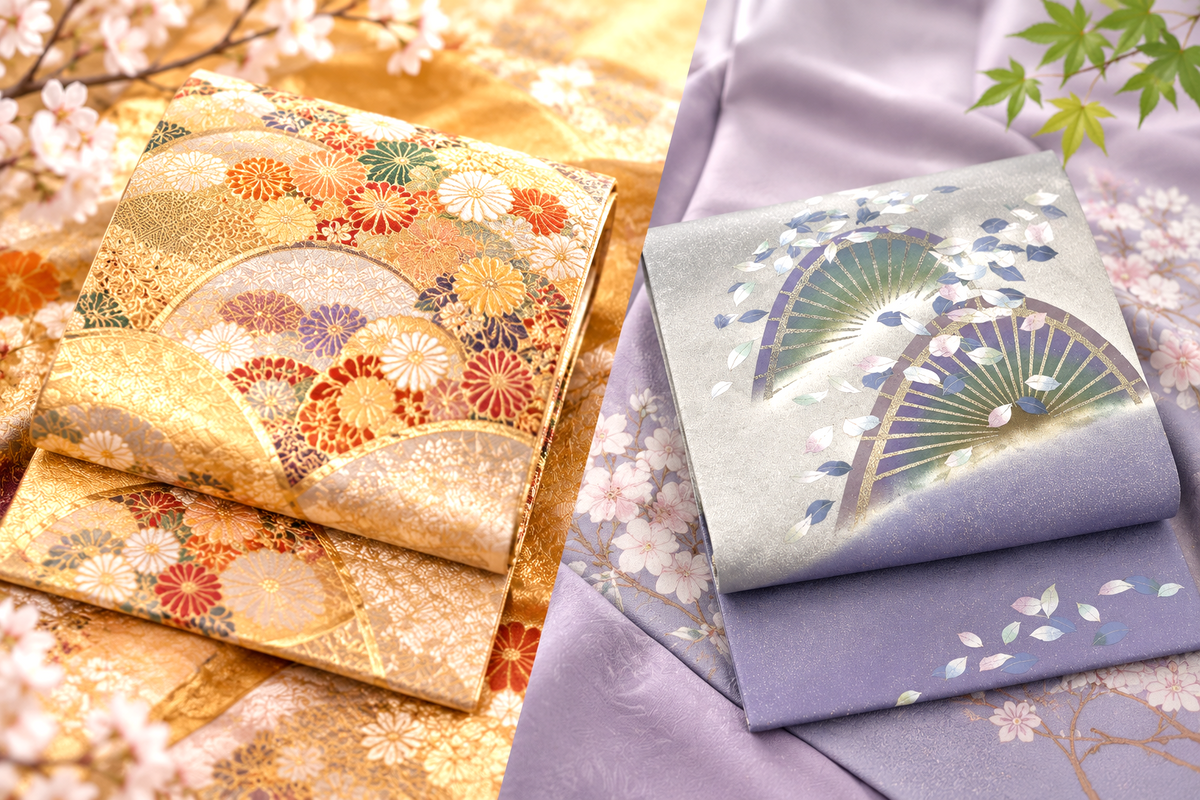
For instance, formal types look something like this.

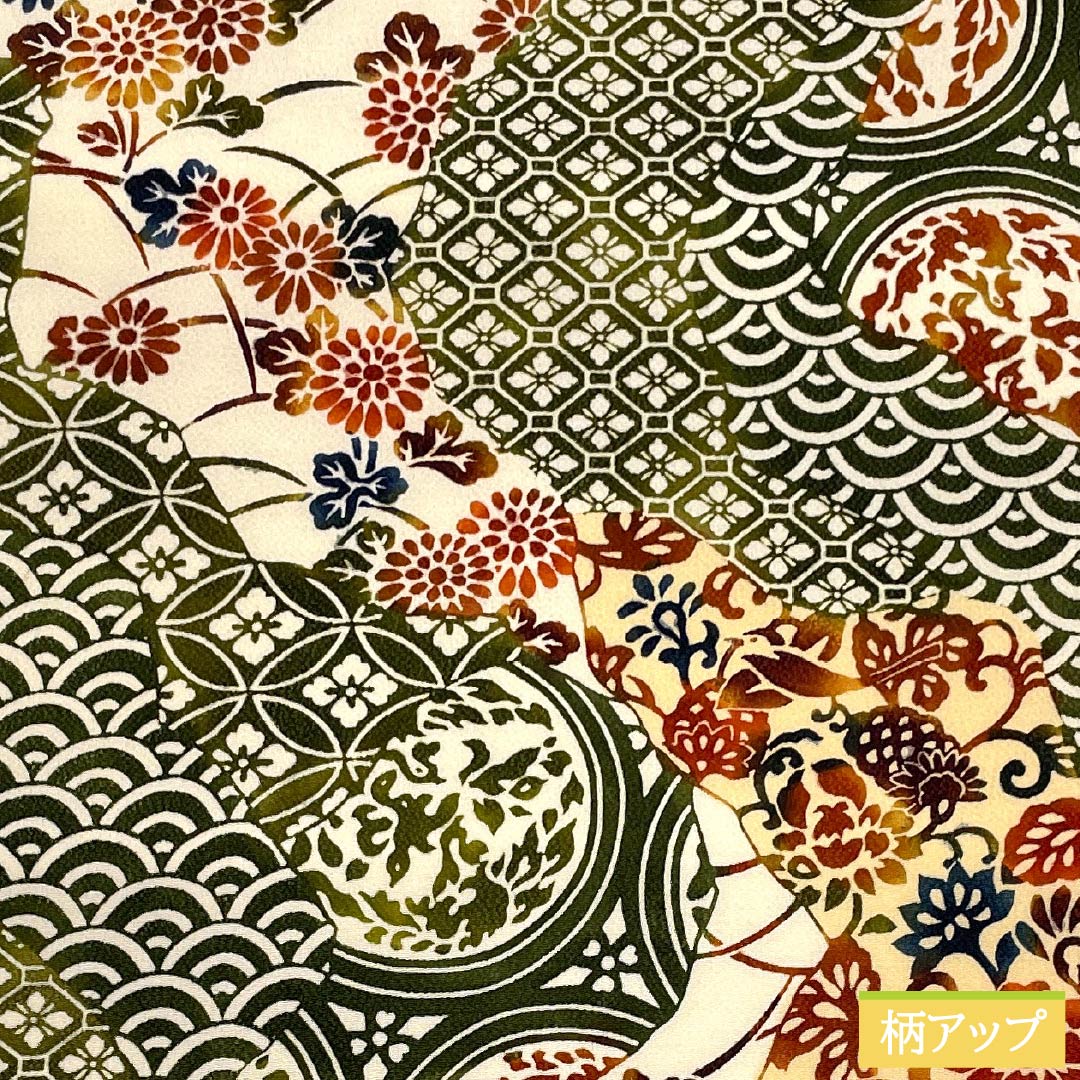
They have plenty of sparkle, starting from their gold or silver base colors.
The designs are quintessential "kimono patterns."
These are auspicious patterns, such as Kitcho patterns (crane, tortoise, pine-bamboo-plum), Yushoku patterns, and Shosoin patterns.
These kinds of motifs are considered high-formality patterns.
▶ Click here for formal fukuro obi
This is what semi-formal fukuro obi look like
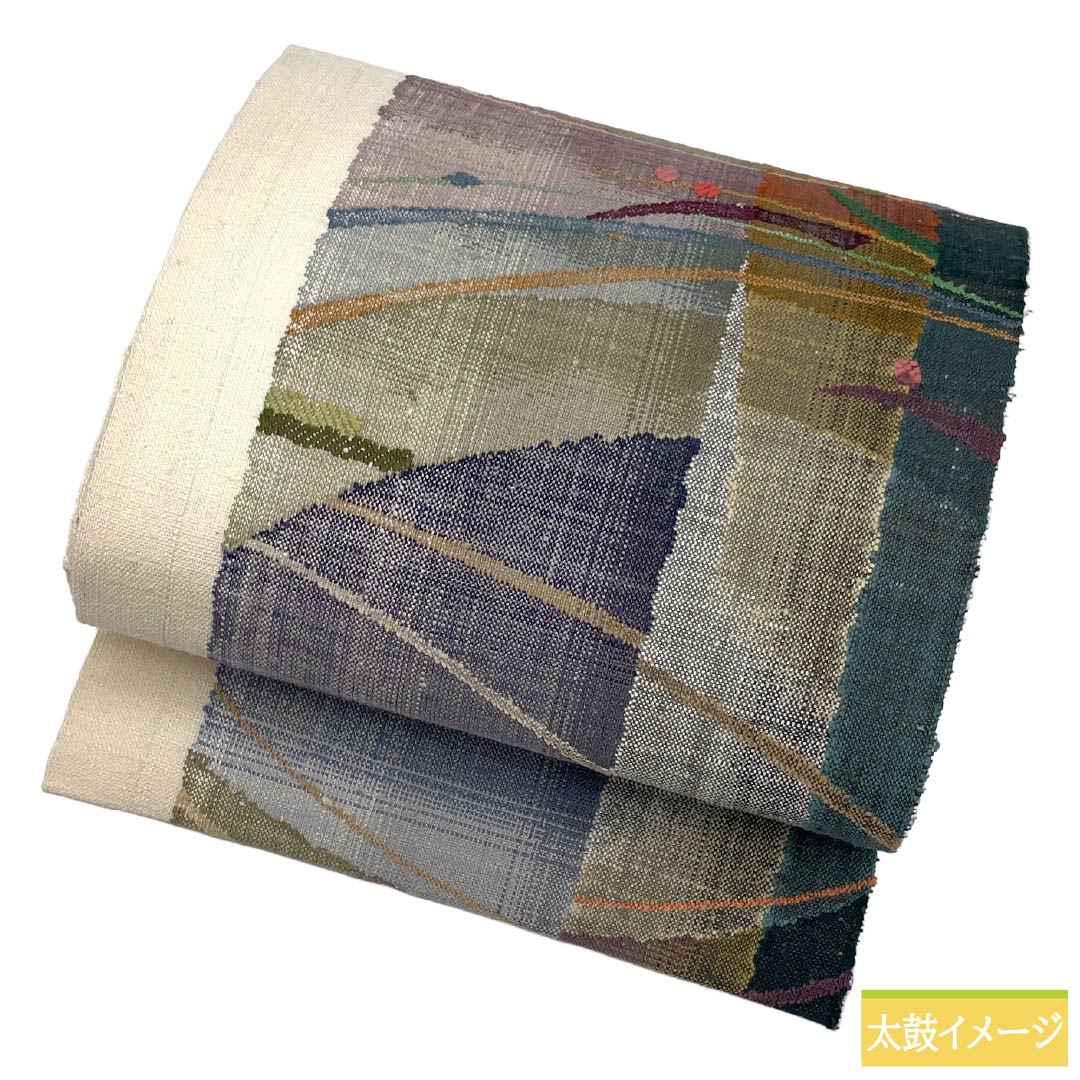
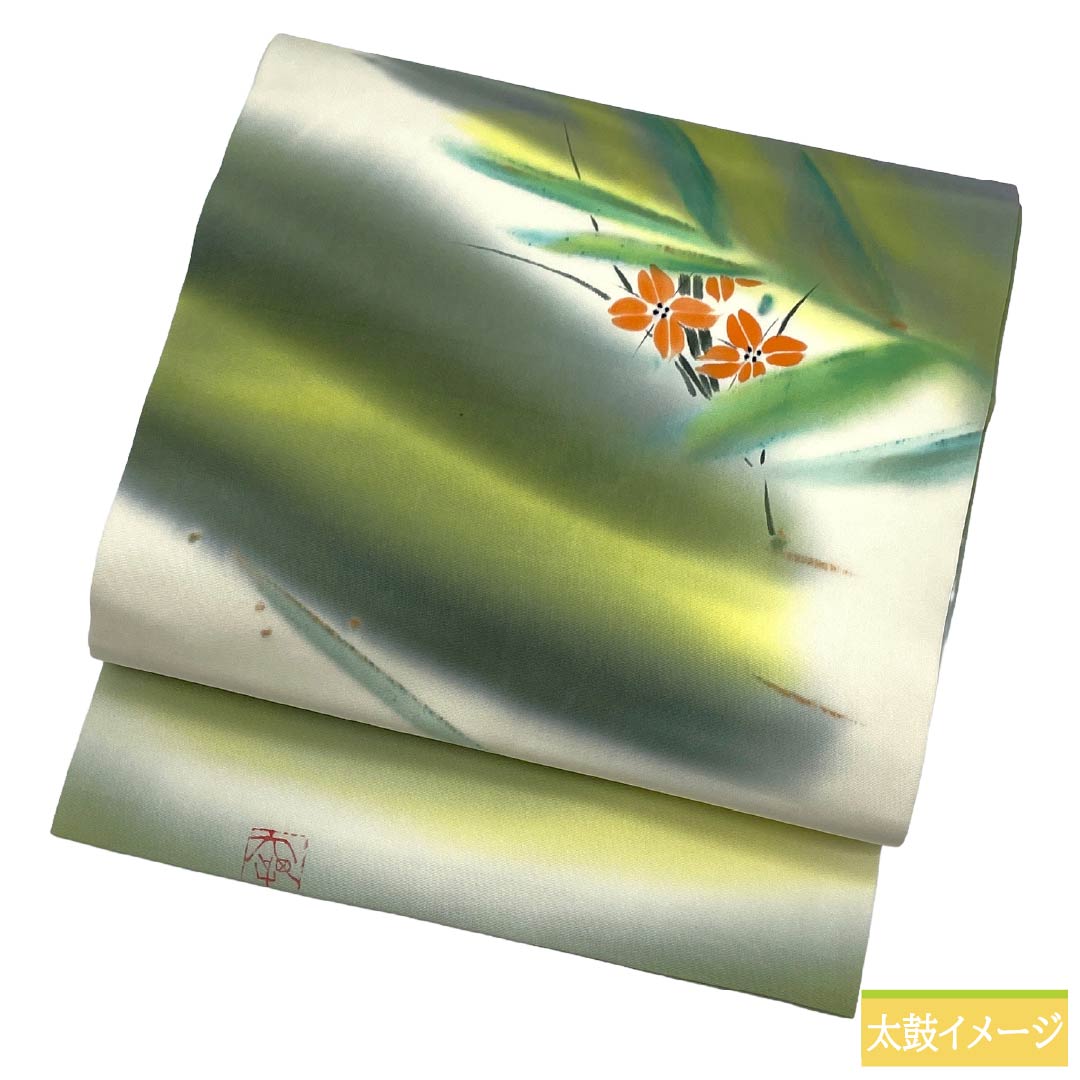
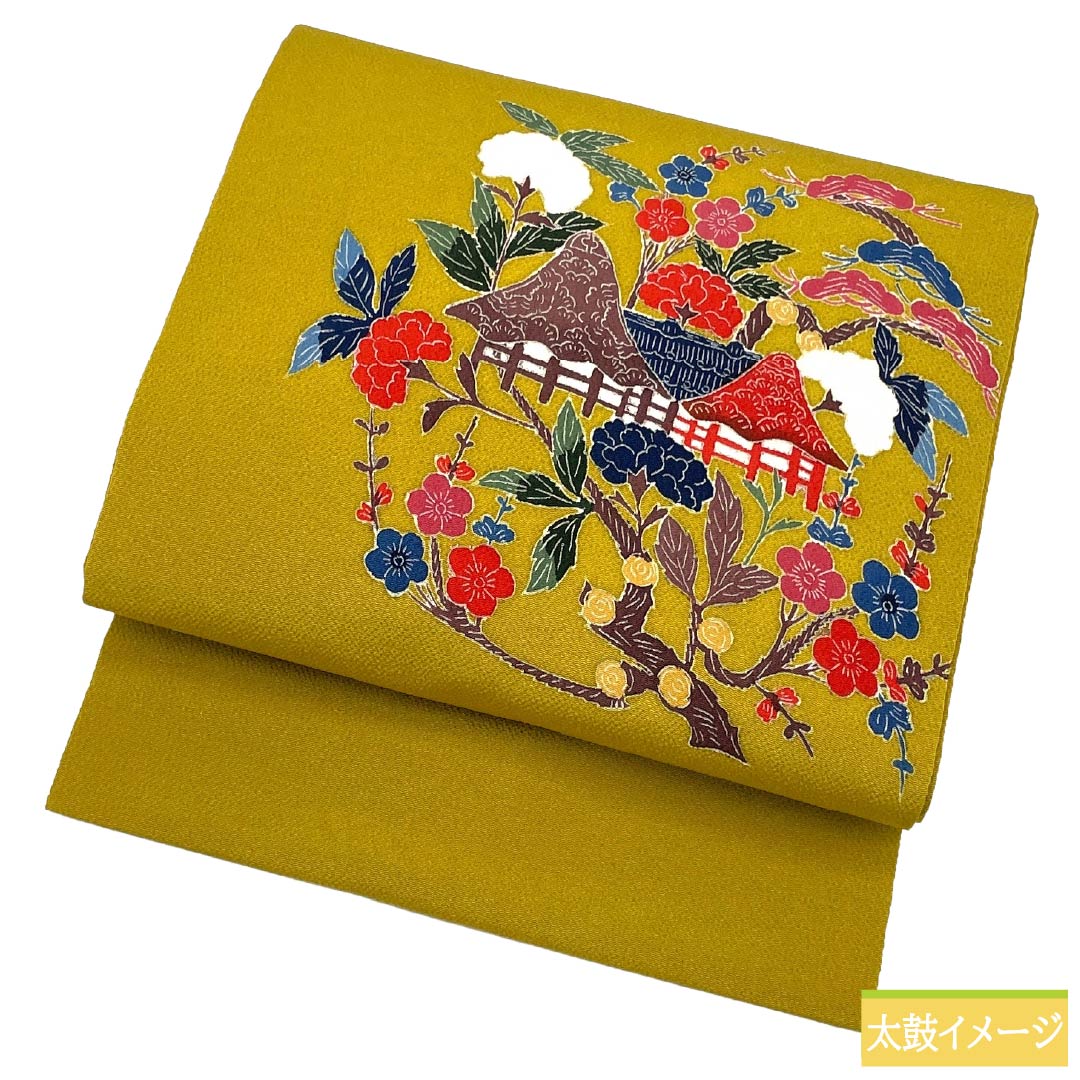
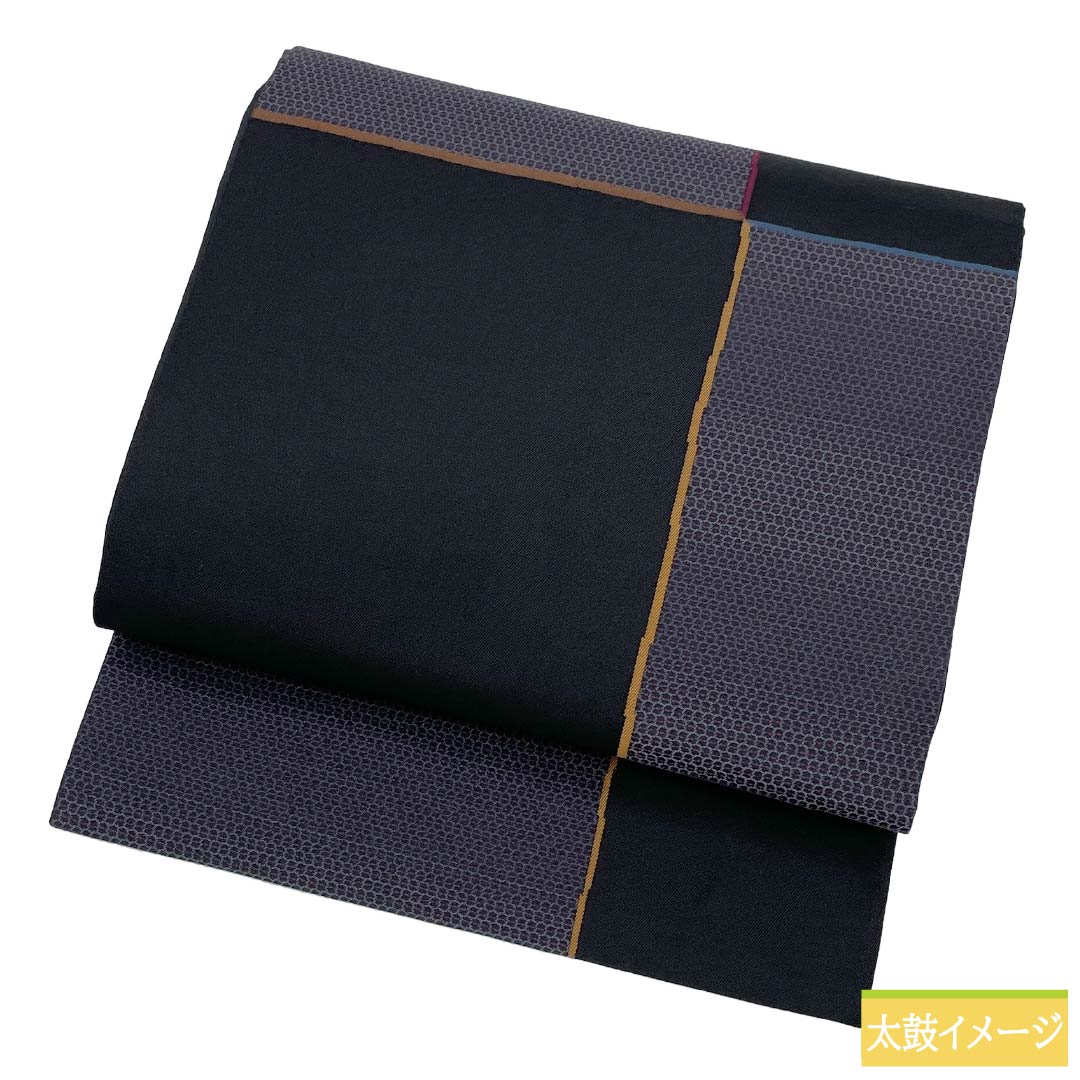
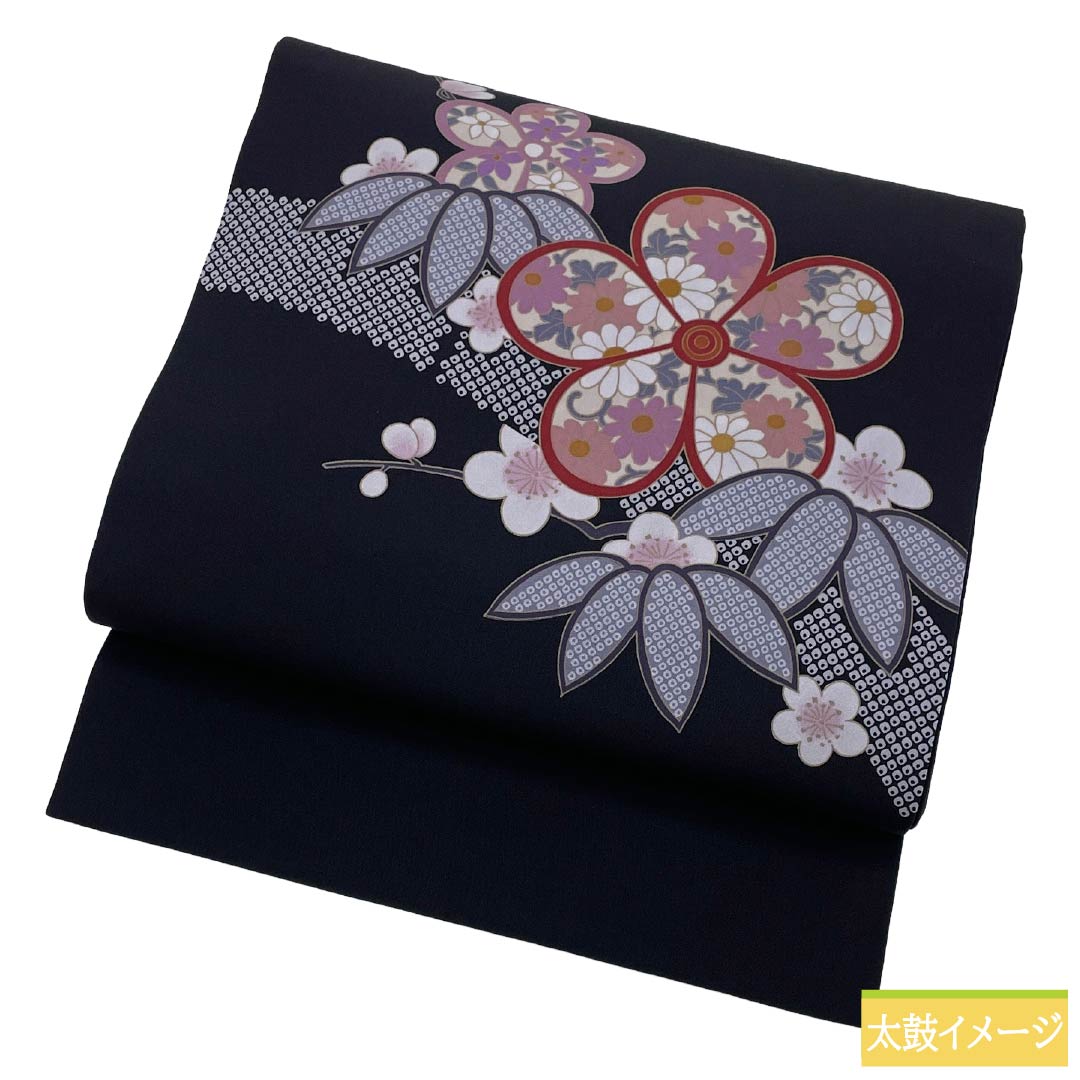
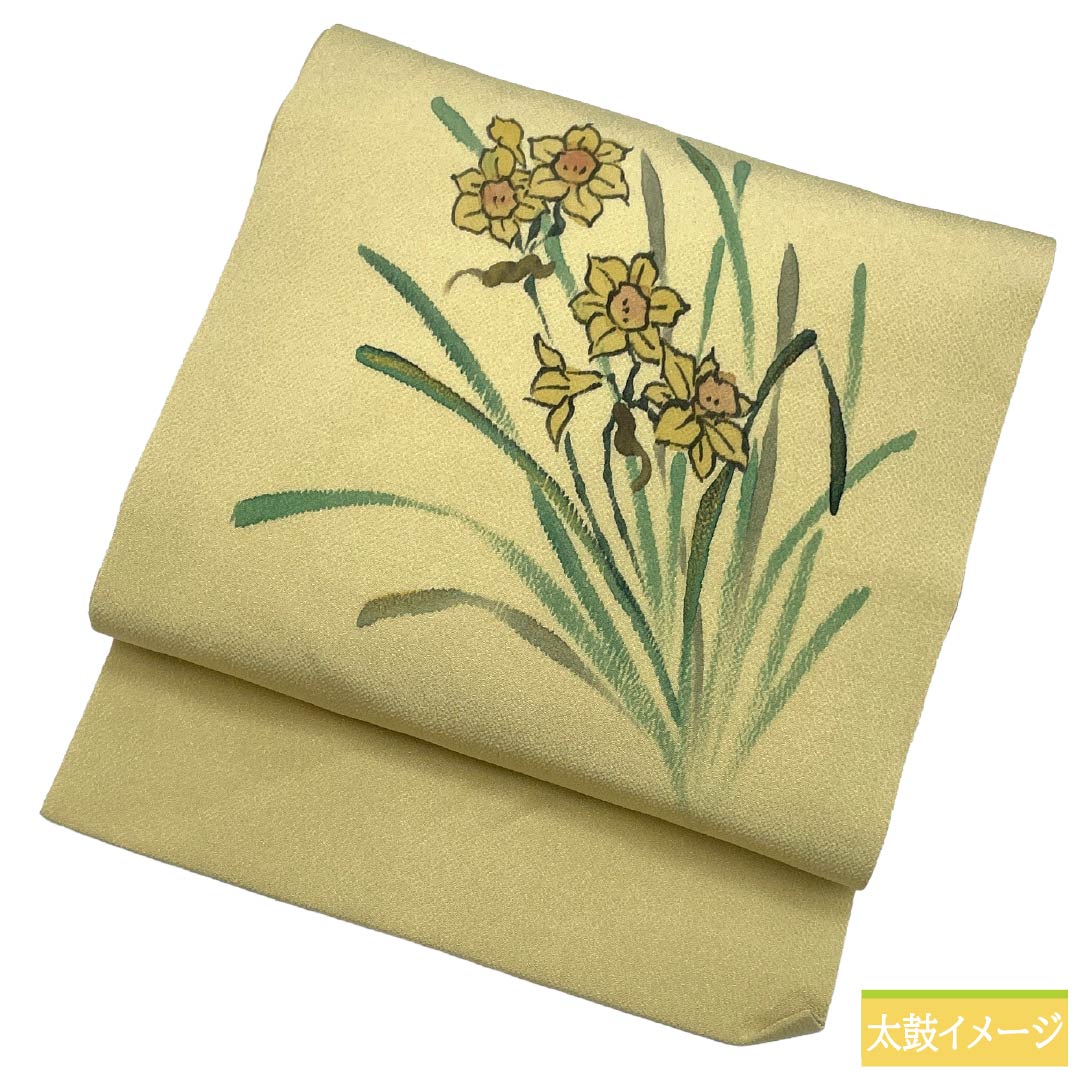
Semi-formal types look something like this.

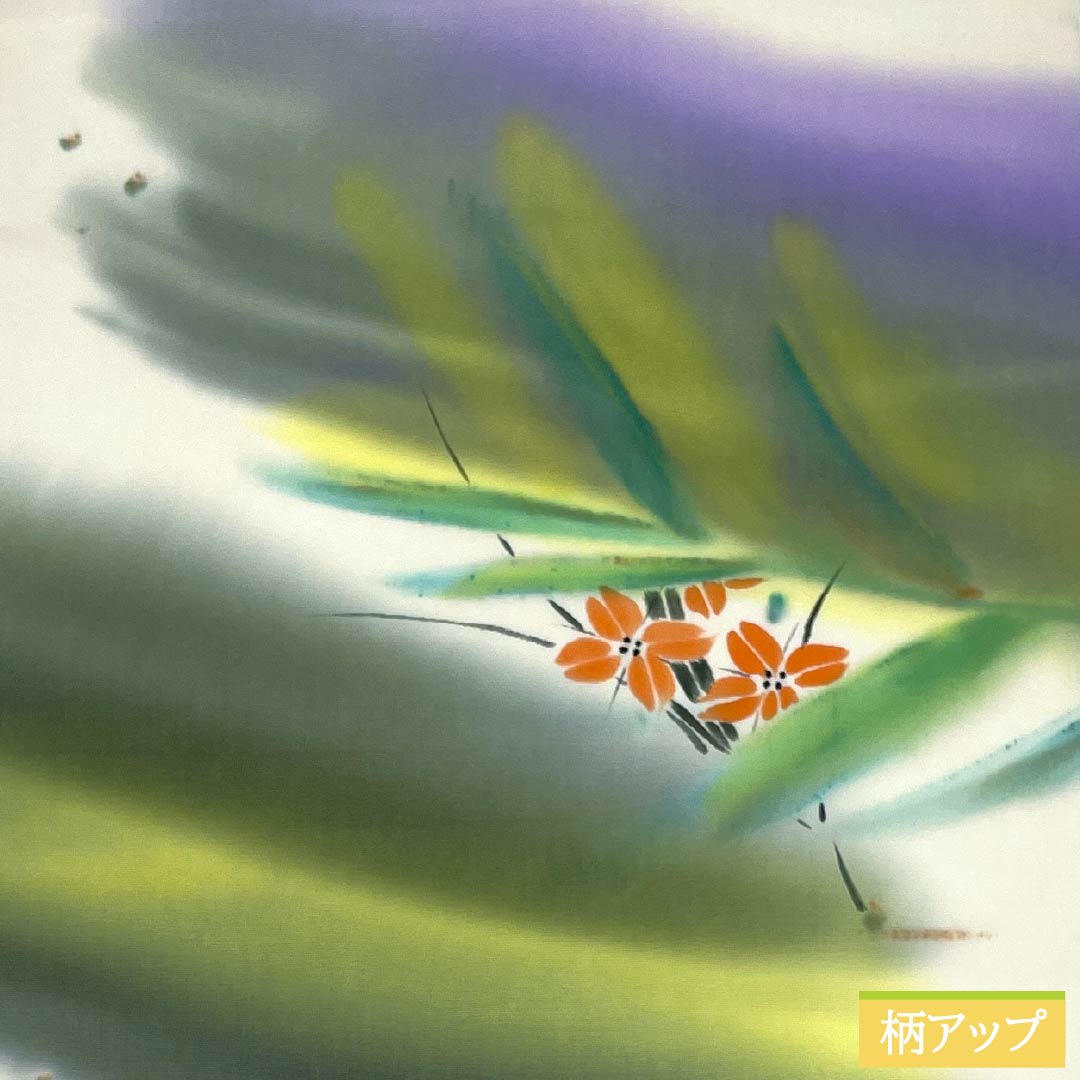
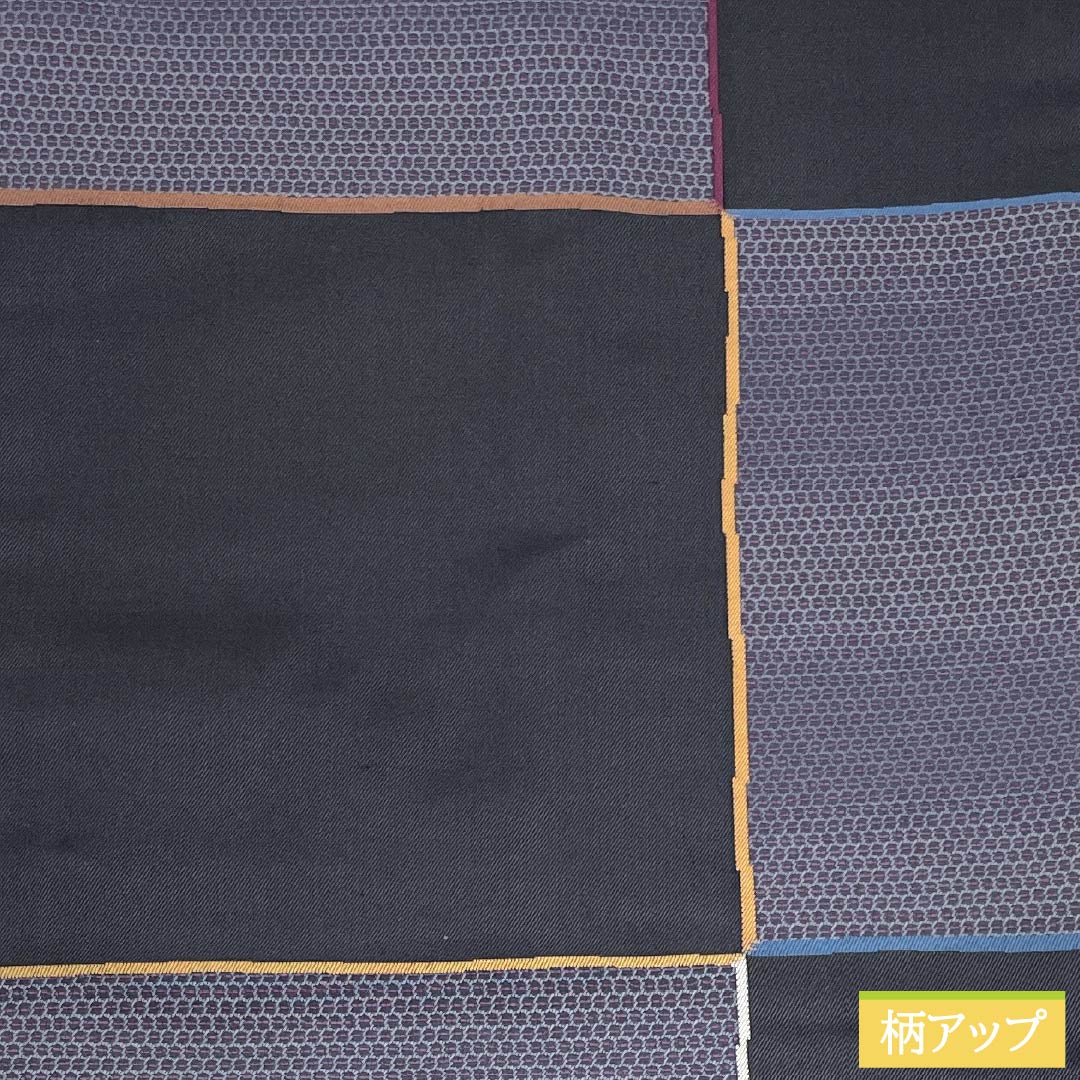
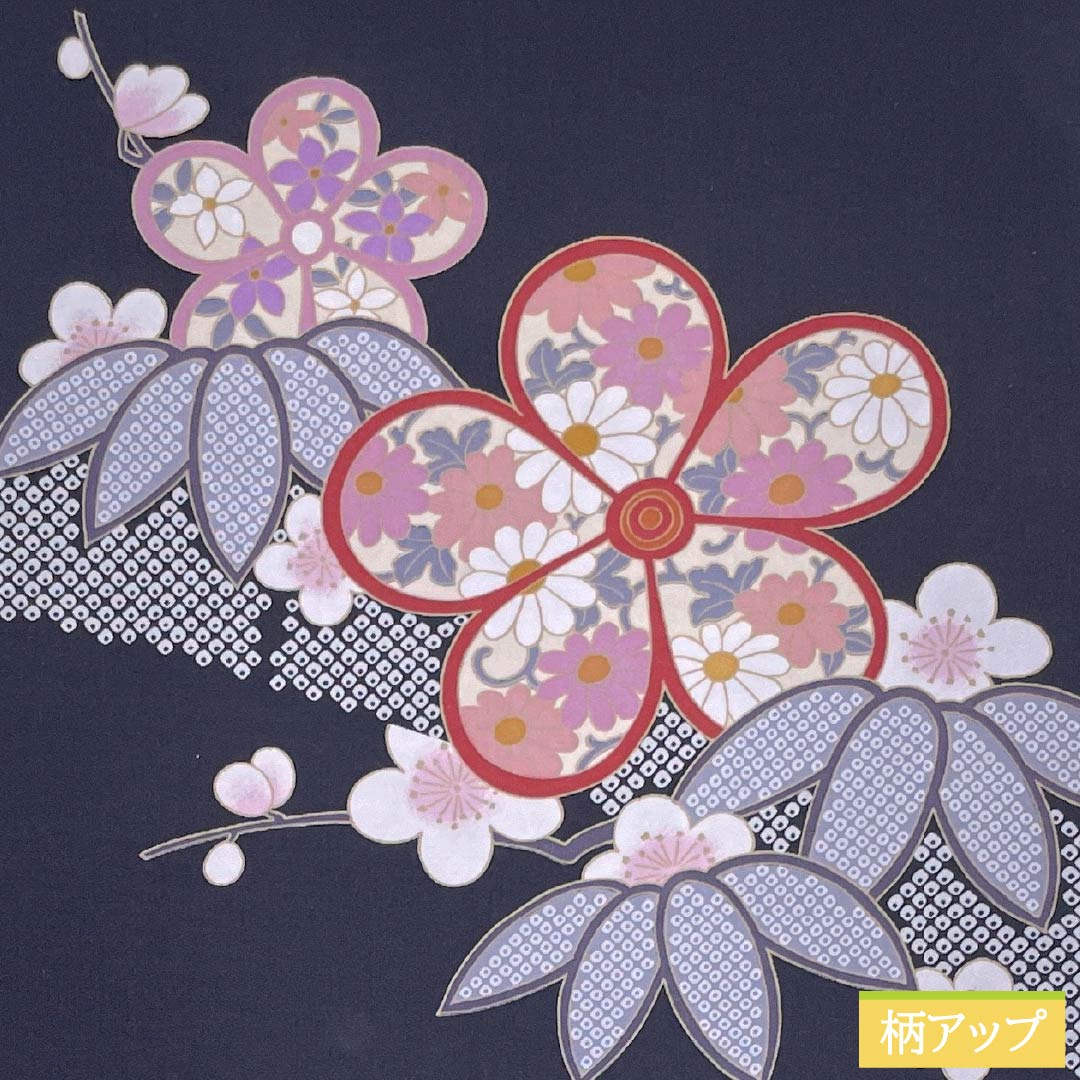
Compared to formal ones, the sense of sparkle is significantly reduced.
Many don't have gold or silver base colors either.
At Yukiwa, we also include some "share-fukuro" obi as semi-formal, depending on the kimono and patterns they are matched with, particularly those using gold or silver threads as accents.
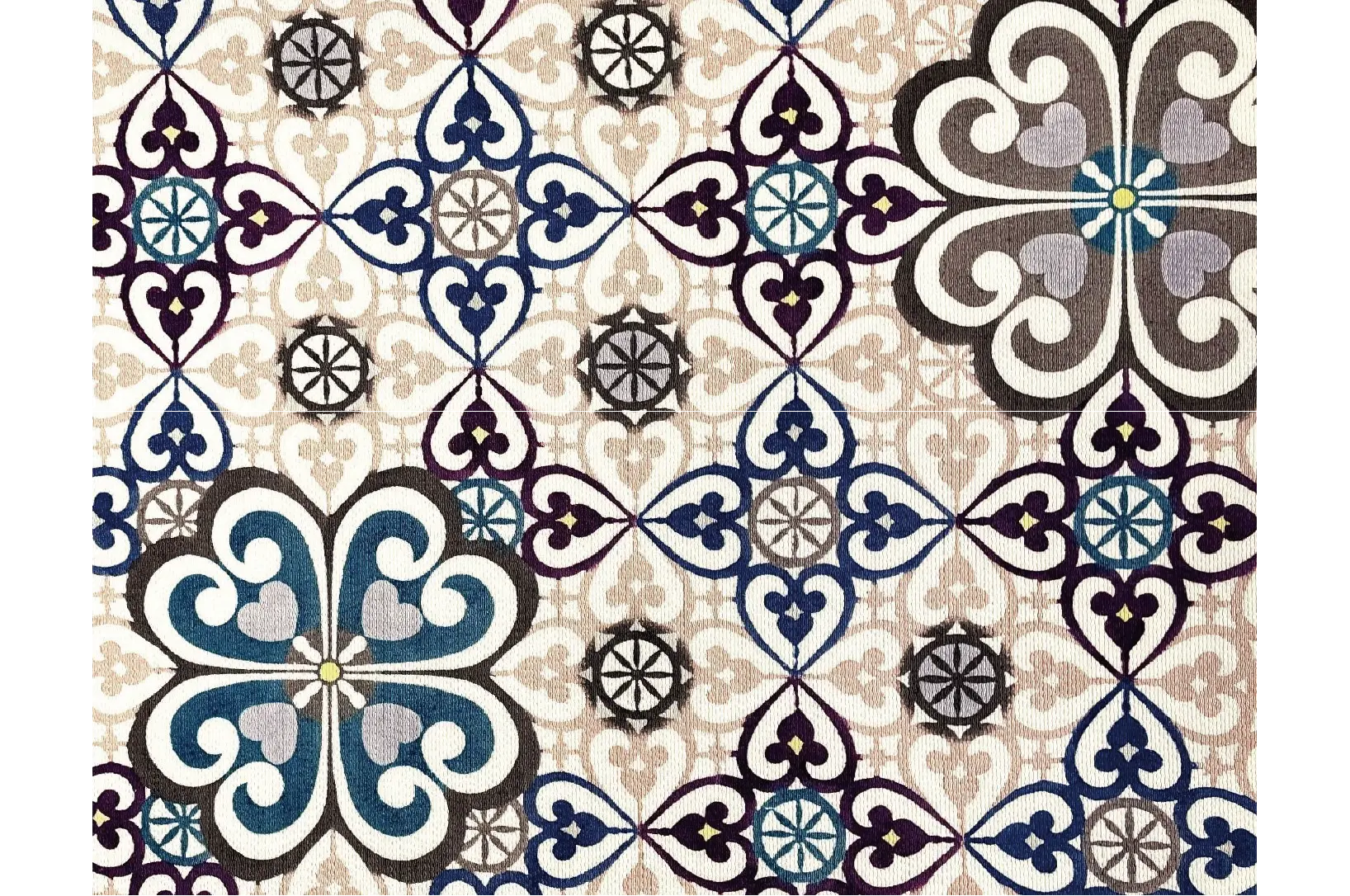
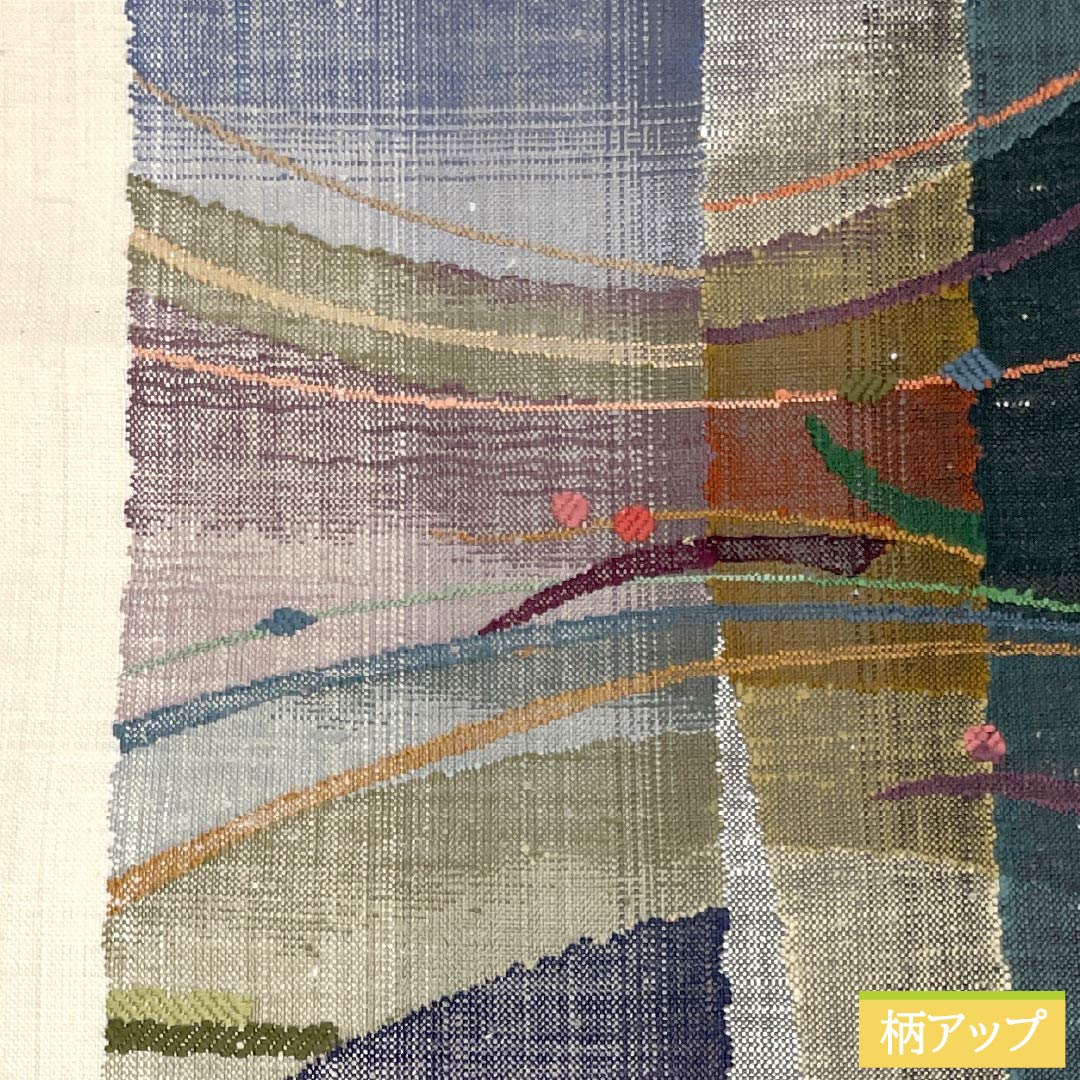
The patterns also include geometric motifs, modern designs, abstract floral patterns, or somewhat understated classical patterns.
Compared to formal ones, they are a step down in formality.
▶ Click here for semi-formal fukuro obi
Which fukuro obi are easy to match with both formal and semi-formal?
Well, what do you think?
After comparing a few, are you starting to get the hang of it?
It’s still a bit complicated, isn't it?
"I wish there were a convenient obi that could be used for both formal and semi-formal occasions..."
If that’s what you’re thinking, you’re in luck!
There actually is one!
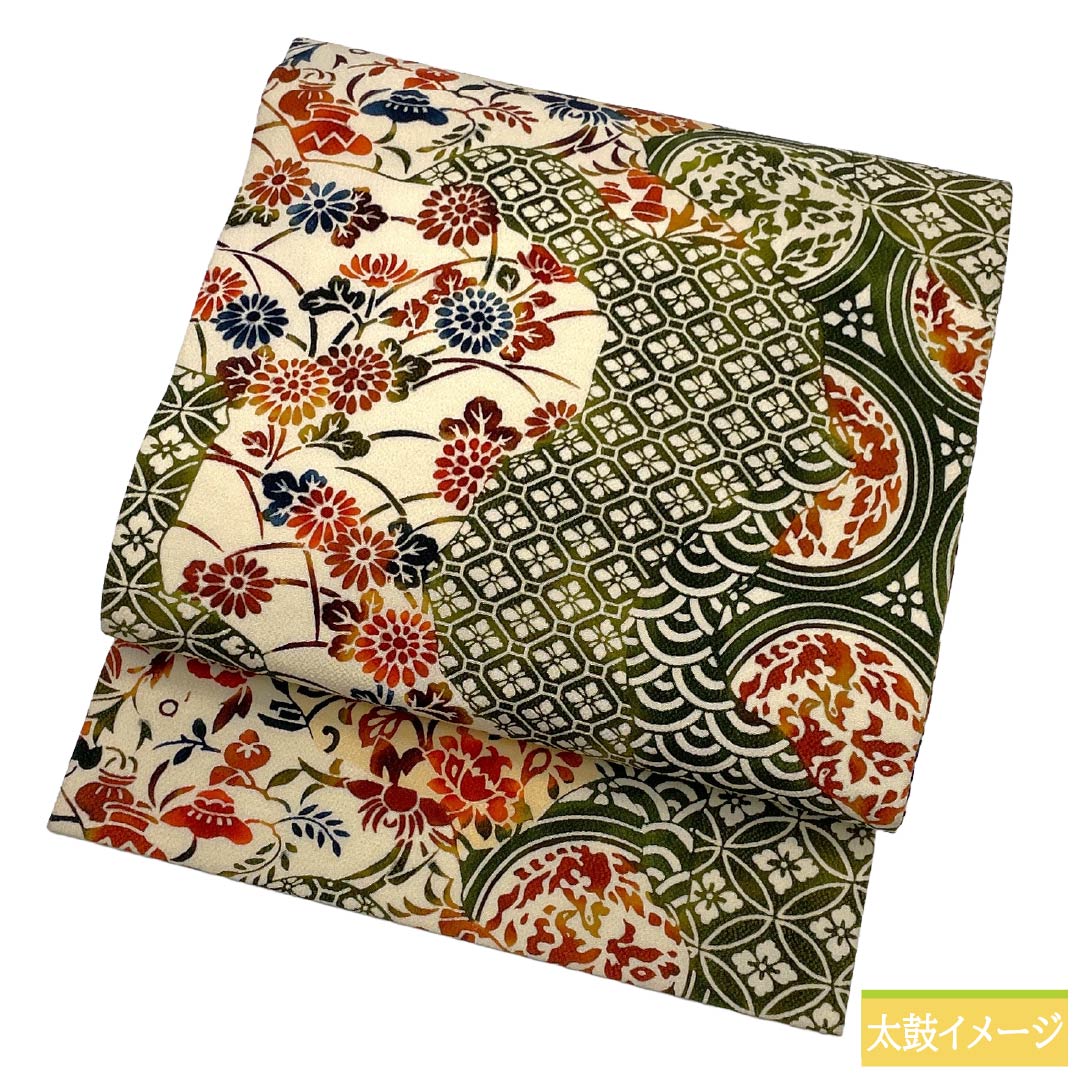
It’s the fukuro obi crafted by the prestigious Nishijin house, "Haku-ayaen Ooba."
Characterized by their vivid color palettes, these obi use so many colors that they can actually be tied with kimono of almost any base color.
They are wonderful pieces with a wide range of compatibility, including tomesode, furisode, houmongi, tsukesage, and iromuji.

▶ Click here for the Haku-ayaen Ooba product list
Of course, just because it’s an Ooba piece doesn’t mean it matches every single kimono, but it’s definitely worth keeping in mind as an option.
If you're lost on choosing a fukuro obi, start by considering the formality of the kimono
When distinguishing between formal and semi-formal fukuro obi, look beyond just the glamour of gold and silver threads; observe the patterns and the overall atmosphere of the obi as well.
And when you aren't sure which obi to choose, it becomes much easier if you start by thinking about the formality of the kimono itself.